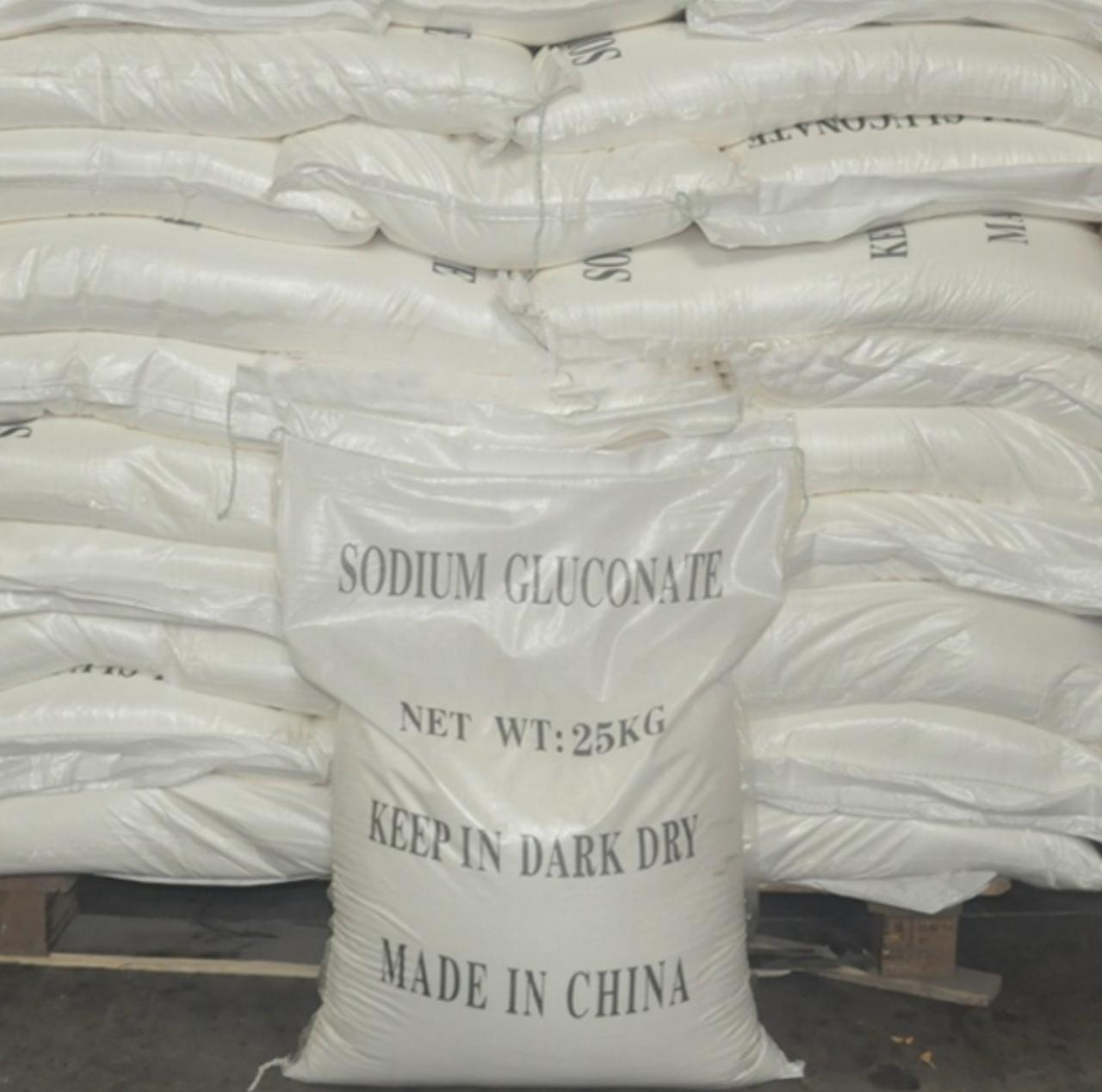

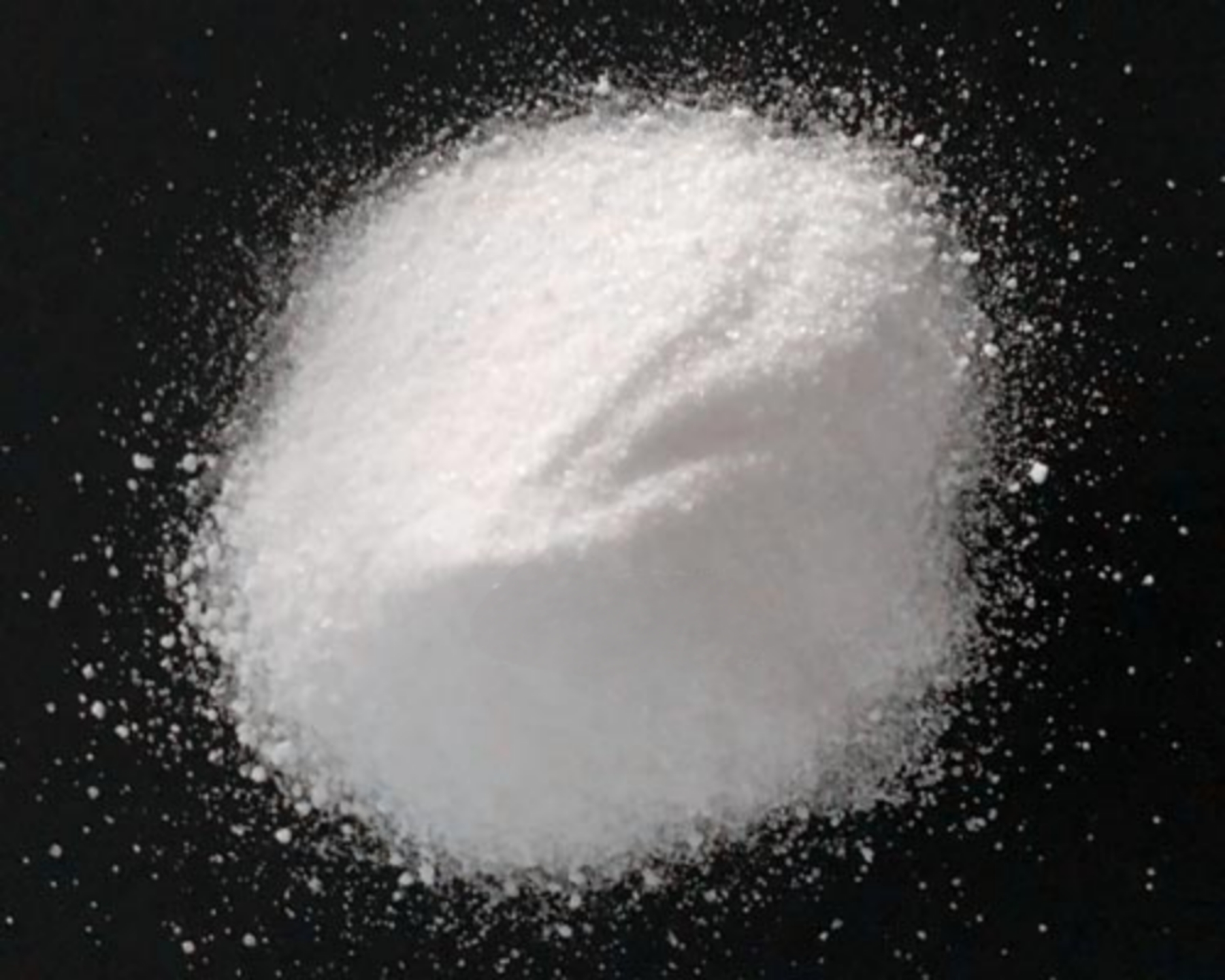

Sodium gluconate, also called sodium salt of gluconic acid, is produced by fermentation of glucose. Its molecular formula is C6H11NaO7. The appearance is white crystalline powder, so it is very soluble in cold and hot water. This salt is non-toxic, non-corrosive, biodegradable and readily biodegradable, and can resist oxidation and degradation even at extremely high temperatures.
| Item | Sodium Gluconate (CAS 527-07-1) |
| Appearance | White crystalline powder |
| Purity % | 98 Min |
| Loss on drying % | 0.50 Max |
| Sulphate (SO42-) % | 0.05 Max |
| Chloride (Cl) % | 0.07 Max |
| Heavy metals (Pb) ppm | 10 Max |
| Reduzate (D-glucose) % | 0.7 Max |
| PH (10% water solution) | 6.2~7.5 |
| Arsenic salt(As) ppm | 2max |
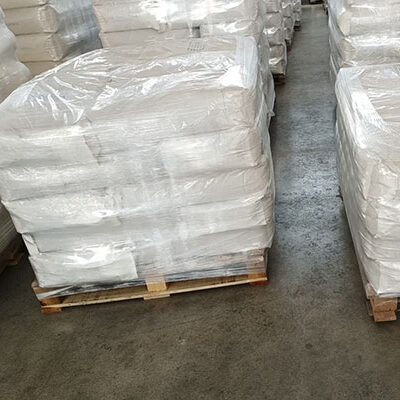
| Packing & Loading | 25 kg/PP bag, 26tons in 20’FCL without pallets; 1000kg/Jumbo bag on pallet, 20MT in 20’FCL; 1150kg/Jumbo bag on pallet, 23MT in 20’FCL; |
Most importantly, Kingsun sodium gluconate always has a wide range of industrial uses. For example, it can be used as concrete admixture, high-efficiency chelating agent, steel surface cleaner, glass bottle cleaner, and electroplating industrial aluminum oxide coloring in the construction, textile printing and dyeing, metal surface treatment, and water treatment industries. Especially in the construction industry, sodium gluconate always plays an important role. With the development of urban high-rise buildings, urban mixing stations, high-speed railways, water conservancy and other infrastructure, sodium gluconate 98% has achieved good results as a concrete set retarder and water reducer.
Application of Sodium Gluconate 98%
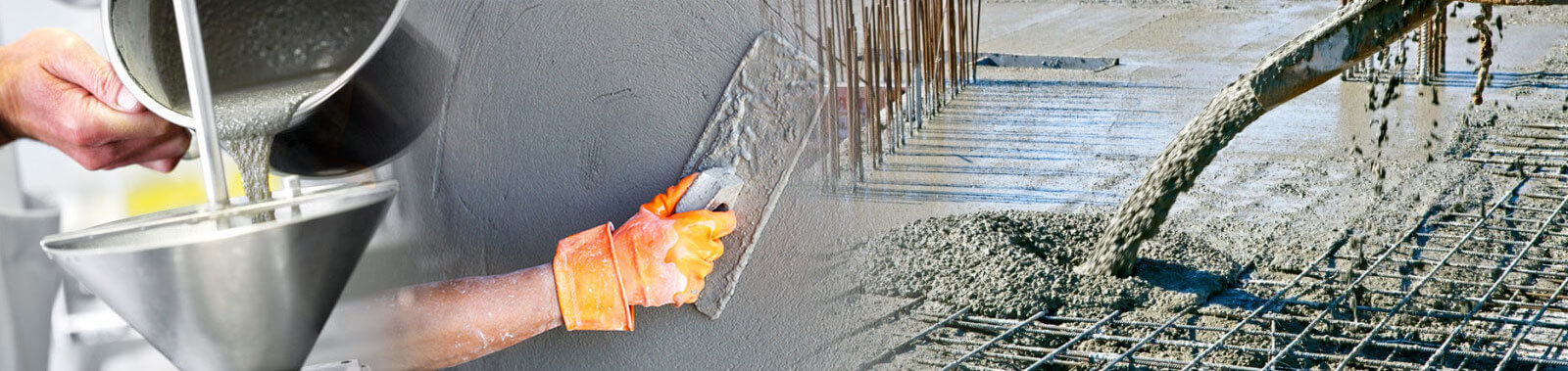
- Construction Industry. Kingsun sodium gluconate 98% can be used as concrete setting retarder to improve the workability and the strength of concrete. When adding a certain amount of sodium gluconate powder to cement, it can make the concrete strong and random. And it will delay the initial setting and final setting time of concrete without affecting the strength of concrete. As a retarder, it can help reduce the speed at which concrete cures. And the function of sodium gluconate retarder is to affect the hydration process by reducing the hydration rate of cement. This gives the concrete more time to mix and place.
- Textile Industry. Sodium gluconate can be used for cleaning and degreasing of fibers. Also improving the bleaching effect of the bleaching powder, the color uniformity of the dye, and the dyeing and hardening degree of the material in textile industry.
- Oil well irrigation. During the oil well irrigation process, due to the high mud temperature and difficulty in operation, after adding sodium gluconate, the concrete can work at 170°C for several hours, meeting the construction needs in special environments. petroleum products and oil field drilling muds.
- Cleaning Agent. In cleaning industry, sodium gluconate can effectively bind and remove mineral salts and metals from surfaces, making them easier to clean. Also used as a corrosion inhibitor in industrial cleaning solutions. Additionally, due to its ability to break the calcium bonds that carry dirt, so sodium gluconate powder can be used as a detergent in laundry detergents.
- Steel Surface Cleaner. In order to suit special applications, the surface of the steel must be strictly cleaned. Due to its excellent cleaning effect, sodium gluconate is suitable for making steel surface cleaners.
- Water treatment. Commonly used in cooling water systems, boilers, and reverse osmosis membranes. And it helps to maintain the efficiency of water treatment systems by inhibiting the formation of scale and reducing the risk of corrosion in pipes and equipment. In addition, sodium gluconate can be used as a water conditioner, helping to remove unwanted impurities and increase the effectiveness of other water treatment chemicals.
- Food industry. Sodium gluconate can also be used as a food additive, preservative, thickener and stabilizer, chelating agent and buffer in the food industry.